
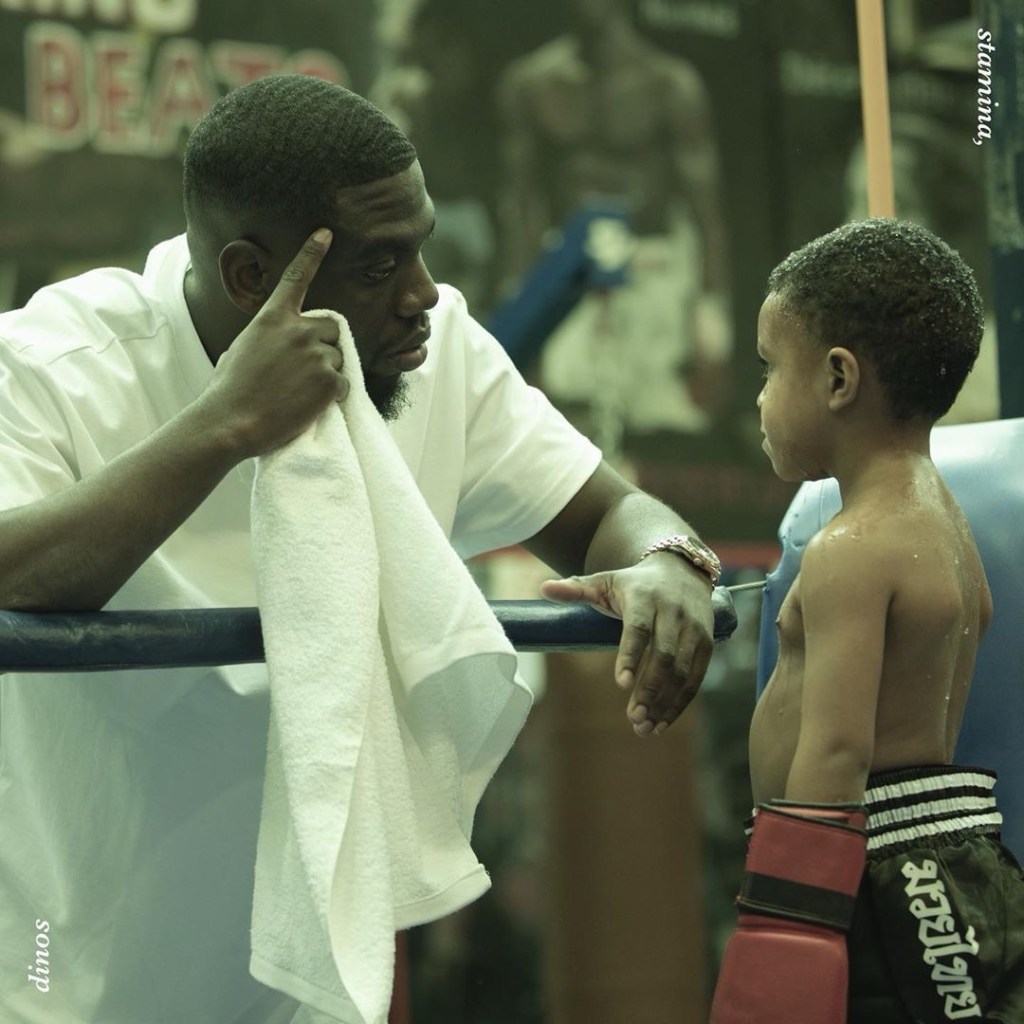
I want to talk about something many people avoid discussing: Fatherlessness and how deeply it affects the boy child, and when I say fatherlessness, I do not only mean physical absence.
Sometimes a father can live under the same roof as his children and still be emotionally unavailable. Sometimes he is physically present but abusive. Sometimes he is there, but he does not lead, nurture, protect, or love in the way a father should, and that absence leaves scars.
This conversation is complicated because many men are trapped in the exhausting cycle of toxic masculinity, a world where vulnerability is mistaken for weakness and emotional honesty is treated like failure. Many boys grow into men believing that they must suppress their pain, hide their tears, and perform strength even when they are falling apart internally, and sadly, many of these lessons begin at home.
Before I go any further, I want to tell men something many people may never say to you:
Your ego can be incredibly destructive. Not just to you, but to the people who love you.
Your pride can ruin relationships.
Your silence can deepen wounds.
Your refusal to heal can become someone else’s trauma.
So be brave enough to let go of your ego.
Drop the “e” and let it go.
Because healing requires humility, and some crazy level of vulnerability.
This article is for the men who grew up in difficult homes. The men who watched their fathers abuse their mothers. The men who grew up fearing the very people meant to protect them. The men who saw violence normalized. The men who grew up in homes where peace felt foreign and love felt like something that only existed in films.
This is for you.
Many fathers have failed their children in different ways.
Some abandoned their families.
Some stayed but became sources of pain.
Some were emotionally absent, and unfortunately, children are often left carrying consequences they never asked for. Whether people want to admit it or not, fathers shape sons in powerful ways, and when a boy grows up in a broken environment, he often finds himself standing at a crossroads.
From what I have observed, there are three paths many boys take when growing into men.
The First Path: Becoming His Father
This is the most painful path to witness. This is where a boy grows into the exact man who hurt him.
He becomes aggressive.
Controlling.
Emotionally unavailable.
Sometimes even abusive.
He repeats the same harmful patterns he witnessed growing up because dysfunction has been normalized for him, and when no healthy male figure steps in to challenge what he has learned, his father’s behavior begins to feel acceptable. Sometimes mothers unknowingly contribute to this cycle by excusing abusive behavior and framing violence as discipline, love, or something women should simply endure, and so the cycle continues. Generation after generation.
The Second Path: Becoming the Man His Father Was Not
This path gives me hope.
These are the men who witness dysfunction and make a conscious decision to be different. They acknowledge their father’s failures.
They reject violence.
They choose emotional intelligence.
They decide that their children will never experience what they experienced.
These men become intentional husbands. Intentional fathers. Intentional human beings.
They understand that pain may explain behavior, but it should never excuse it, and because of that awareness, they actively choose healing.
The Third Path: Becoming Emotionally Dependent on Their Mothers
This conversation is uncomfortable, but necessary.
Many men who grow up with absent or abusive fathers become deeply attached to their mothers, and while there is nothing wrong with loving your mother deeply, unhealthy emotional dependence can become problematic later in life.
For many of these boys, their mothers become their only source of emotional safety.
Their only guide.
Their only consistent parent.
And that bond can sometimes become unhealthy when boundaries are not established. Some men grow up unable to make independent decisions without their mothers’ approval.
Some marriages suffer because mothers struggle to let go of sons they emotionally leaned on for years, and some wives find themselves competing with relationships that were never properly separated.
This does not happen in every case, but it happens enough to deserve honest conversations.
I want men to understand this:
Your childhood may explain your wounds, but it does not have to dictate your future. What happened to you matters. Your pain matters, but your choices matter too.
Many people believe circumstances define who we become.
I disagree.
I believe our decisions after pain reveal who we truly are. You can repeat the cycle, you can run from it, or you can heal from it, and in choosing healing, you may become the man your younger self so desperately needed.
Perhaps, that is where true masculinity begins.
 My Mind Penned Down
Wow! Girl, you’re phenomenally brilliant. Keep going.
LikeLiked by 1 person
thanks for the article,and go on girl,let us all roll on your reflection.
LikeLiked by 1 person
I can relate, brilliant content!
LikeLiked by 1 person
I too second with yr article …such a great mindset from a young lady …bravo👏
LikeLiked by 1 person
Wonderful article!! I can’t wait to read all.
LikeLike